


Health Conditions We Treat
Vaidyaratnam Govardhan Ayurveda Hospital
Comprehensive Ayurvedic Healing & Rejuvenation Programs
Obesity & Weight Management
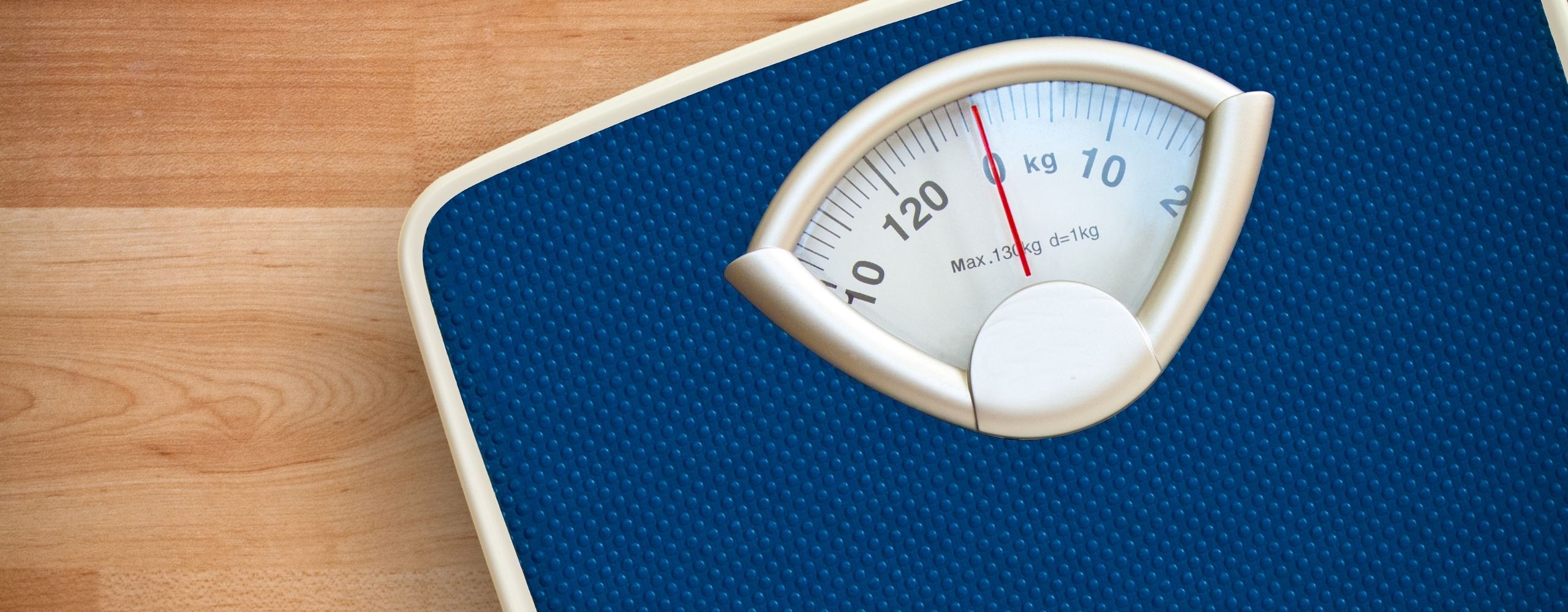
- Obesity is a lifestyle-related metabolic disorder marked by excessive body fat that affects physical health, mental well-being, and overall quality of life. Globally, over 1 billion people live with obesity, making it one of the most significant public health challenges worldwide.
- According to Ayurveda, obesity (Sthaulya / Medoroga) occurs due to aggravation of Kapha Dosha, weakened digestive and metabolic fire (Agni), and excessive accumulation of Meda Dhatu (adipose tissue). This leads to blockage of body channels (Srotas) and disturbed energy balance. Ayurvedic management focuses on correcting the root cause and restoring metabolic balance through detoxification, dietary regulation, and lifestyle correction.
Recommended Therapies:
Udwarthanam
A dry herbal powder massage advised to reduce excess Meda Dhatu and support metabolic correction.
Vamana or Virechana
Purification therapies advised where indicated and administered under medical supervision.
Lekhana Basti
A medicated enema therapy recommended to help improve lipid metabolism.
Herbal Formulations
Medicines prescribed to support digestion, metabolism, and reduction of excess fat tissue.
- These therapies are aimed at correcting metabolism, reducing excess Meda Dhatu, and clearing blocked body channels
Suggested Approach:
- Treatment is planned based on assessment of Prakriti, Dosha imbalance, and overall clinical evaluation.
- Note: All therapies are individualized and administered only after proper clinical evaluation by qualified Ayurvedic physicians.
FAQ's :
What is obesity according to Ayurveda?
According to Ayurveda, obesity is known as Sthaulya or Medoroga. It is a metabolic disorder caused by imbalance of Kapha Dosha, weakened digestive and metabolic fire (Agni), and excessive accumulation of Meda Dhatu (fat tissue), leading to blockage of body channels and disturbed energy balance.
Is obesity considered a disease in Ayurveda?
Yes. Ayurveda recognises obesity as a metabolic disorder rather than a cosmetic concern. When not corrected early, it can reduce vitality, disturb tissue nourishment, and increase the risk of chronic health conditions.
Can Ayurveda help in safe and long-term weight reduction?
Yes. Ayurvedic management focuses on correcting the root cause, improving digestion metabolism, and balancing Doshas. Weight reduction is gradual and sustainable, without weakening the body, unlike short-term or crash dieting approaches.
Is Panchakarma necessary for obesity management?
Not in all cases. Panchakarma therapies are advised only when indicated, based on the individual’s condition, strength, and Dosha imbalance. Many individuals benefit from diet regulation, lifestyle correction, and medicines alone.
How long does Ayurvedic treatment take to show results in obesity?
Weight reduction through Ayurveda is a gradual process. Initial improvements such as better digestion, reduced heaviness, and increased energy may be noticed within a few weeks, while visible weight changes usually occur over a few months, depending on individual factors.
Will weight regain after stopping Ayurvedic treatment?
Ayurvedic management emphasises long-term dietary discipline and lifestyle habits. When these healthy practices are continued, weight regain is usually prevented and results tend to be long-lasting.
Can people with diabetes or hypertension take Ayurvedic treatment for obesity?
Yes. Ayurveda follows a holistic and integrative approach. Treatment is planned after considering associated conditions such as diabetes, hypertension, or joint disorders, and is always customised and carefully monitored.
Are Ayurvedic medicines safe for long-term use in obesity?
When prescribed by a qualified Ayurvedic physician, medicines are considered safe and well-tolerated. Self-medication should be avoided, as incorrect use may cause imbalance.
Is dieting alone enough to manage obesity?
No. Dieting alone often gives temporary results. Ayurveda stresses the combined importance of diet, lifestyle, physical activity, mental balance, and proper sleep for effective and sustainable weight management.
Do I need to stop all favourite foods during Ayurvedic weight management?
No. Ayurveda does not promote extreme restrictions. It encourages moderation, correct food combinations, and mindful eating, allowing sustainable changes rather than strict deprivation.
Can obesity be prevented through Ayurveda?
Yes. Following Ayurvedic principles such as Dinacharya (daily routine), seasonal diet, regular physical activity, and balanced eating habits can help prevent obesity and related lifestyle disorders.
Parkinson’s Disease (Kampavata)
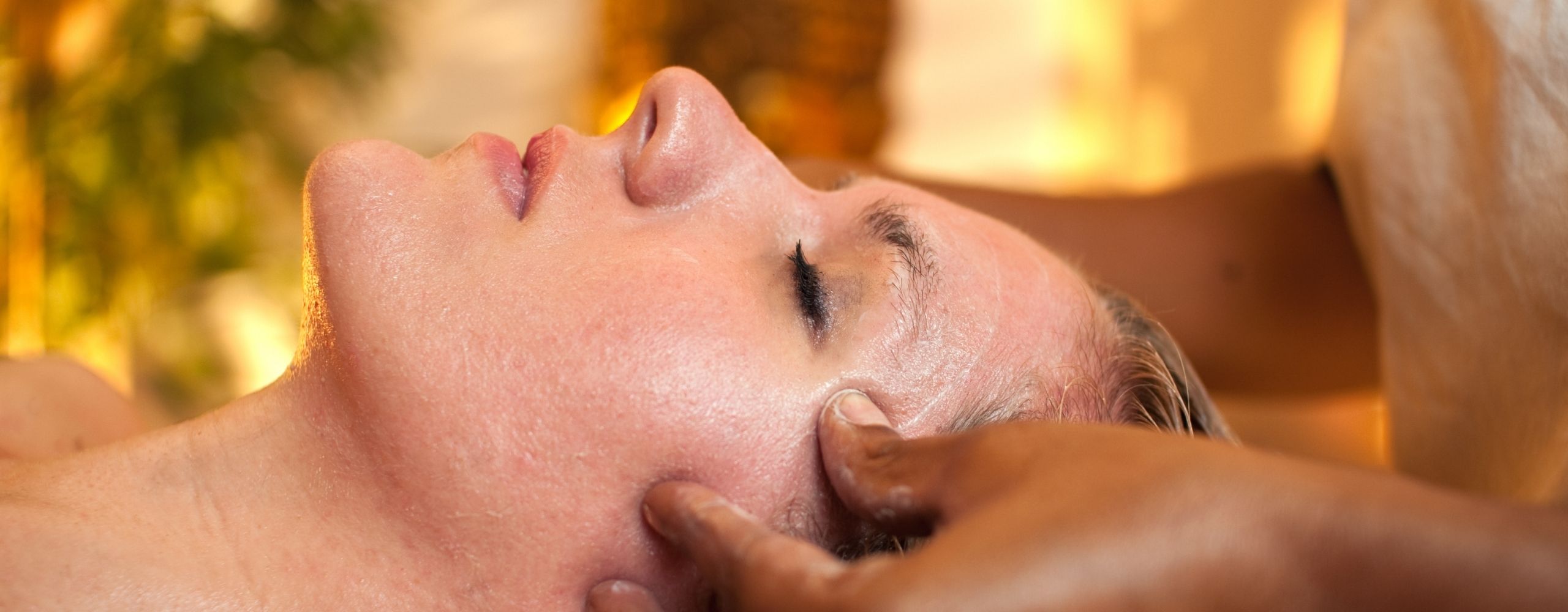
- Parkinson’s disease is a chronic, progressive neurological disorder that affects movement, posture, and coordination. Globally, over 8 million people are living with Parkinson’s disease, making it one of the fastest-growing neurological conditions worldwide.
- According to Ayurveda, Parkinson’s disease closely resembles Kampavata, a subtype of Vata Vyadhi, caused by aggravation of Vata Dosha, especially in old age. Aggravated Vata affects Majja Dhatu (nervous tissue) and Snayu (nerves and ligaments), leading to tremors, rigidity, and impaired movements. Ayurvedic management focuses on pacifying Vata, nourishing tissues, and providing long-term supportive care.
Recommended Therapies:
Basti (Medicated Enema)
Considered the most effective therapy for Vata disorders and advised to regulate aggravated Vata Dosha.
Abhyangam
Medicated oil massage used to improve circulation and reduce rigidity.
Swedana
Sudation therapy advised to relieve stiffness associated with Vata imbalance.
Nasya
Enhances circulation and tones the body.
Shirodhara
A therapy used to calm the nervous system and support mental well-being.
Shamana Aushadhi (Internal Medications)
Herbal medicines prescribed to pacify Vata Dosha, nourish the nervous system, and slow tissue degeneration.
- These therapies are aimed at pacifying aggravated Vata Dosha, supporting the nervous system, and improving functional ability and quality of life.
Suggested Approach
- Long-term, personalized, and integrative management combining Panchakarma therapies, internal medications, diet, lifestyle correction, yoga, and meditation, planned based on the patient’s constitution, disease stage, and overall health.
- Note: All therapies are individualized and administered only after proper clinical evaluation by qualified Ayurvedic physicians.
FAQ's :
What is Parkinson’s disease according to Ayurveda?
According to Ayurveda, Parkinson’s disease closely resembles Kampavata, a neurological disorder caused by aggravation of Vata Dosha. Classical Ayurvedic texts describe symptoms such as tremors, stiffness, slowness of movement, and speech difficulties under Vata Vyadhi, especially due to degeneration of nervous tissue in old age.
Is Parkinson’s disease curable with Ayurveda?
Parkinson’s disease is a chronic and progressive condition and is not considered completely curable. Ayurvedic management focuses on slowing disease progression, reducing symptom severity, improving functional ability, and enhancing overall quality of life through long-term, consistent care.
How does Ayurveda manage Parkinson’s disease?
Ayurvedic management focuses on pacifying aggravated Vata Dosha, nourishing the nervous system, and preventing further tissue degeneration. Treatment may include Panchakarma therapies (especially Basti), internal medicines (Shamana Aushadhi), Rasayana therapy, diet and lifestyle correction, yoga, and meditation, planned according to disease stage and body constitution.
Why is Basti therapy important in Parkinson’s disease?
Ayurveda considers Basti (medicated enema) the most effective therapy for Vata disorders, including Kampavata. It helps regulate Vata at its main site, supports nerve function, and assists in managing stiffness, tremors, constipation, and reduced mobility.
Can Ayurvedic treatment be taken along with modern Parkinson’s medicines?
Yes. Ayurvedic treatment can be safely integrated with modern neurological care when guided by qualified physicians. Ayurveda acts as a supportive and complementary approach and should not replace modern medicines without medical advice.
Which Ayurvedic herbs are commonly used in Parkinson’s disease?
Herbs traditionally used in Kampavata management include Kapikacchu, Ashwagandha, Bala, Brahmi, and Guduchi. These are prescribed to support nervous system function and overall strength and should always be taken under professional supervision.
At what stage of Parkinson’s disease is Ayurveda most effective?
Ayurveda can be beneficial at all stages of Parkinson’s disease. Early intervention may help slow progression and preserve function, while in advanced stages Ayurvedic care supports management of stiffness, pain, sleep disturbances, constipation, and emotional stress.
How long does Ayurvedic treatment take to show results in Parkinson’s disease?
Ayurvedic treatment works gradually and focuses on long-term balance. Initial improvements such as better digestion, sleep, and reduced stiffness may be noticed within a few weeks, while meaningful functional improvement requires consistent treatment over several months.
Are Panchakarma therapies safe for elderly Parkinson’s patients?
Yes. When performed by experienced Ayurvedic physicians, Panchakarma therapies can be safely adapted for elderly patients. Gentle and modified procedures are selected based on age, strength, and disease severity to ensure safety and effectiveness.
What diet is recommended for Parkinson’s disease in Ayurveda?
A Vata-pacifying diet is recommended, including warm, freshly cooked, soft, and easily digestible foods with healthy fats such as ghee and sesame oil. Dry, cold, processed, and irregular foods are advised to be avoided.
Can yoga and meditation help people with Parkinson’s disease?
Yes. Gentle yoga, pranayama, and meditation help improve balance and flexibility, reduce stiffness, enhance mental focus, improve sleep, and reduce anxiety. Practices should be adapted to the individual’s physical capacity.
Is Ayurvedic treatment personalised for Parkinson’s disease?
Yes. Ayurveda follows a personalised approach based on Prakriti (body constitution), disease stage, digestive strength (Agni), age, and overall health. This individualised planning is especially important in chronic neurological conditions like Parkinson’s disease.
Psoriasis, Eczema & Skin Disorders
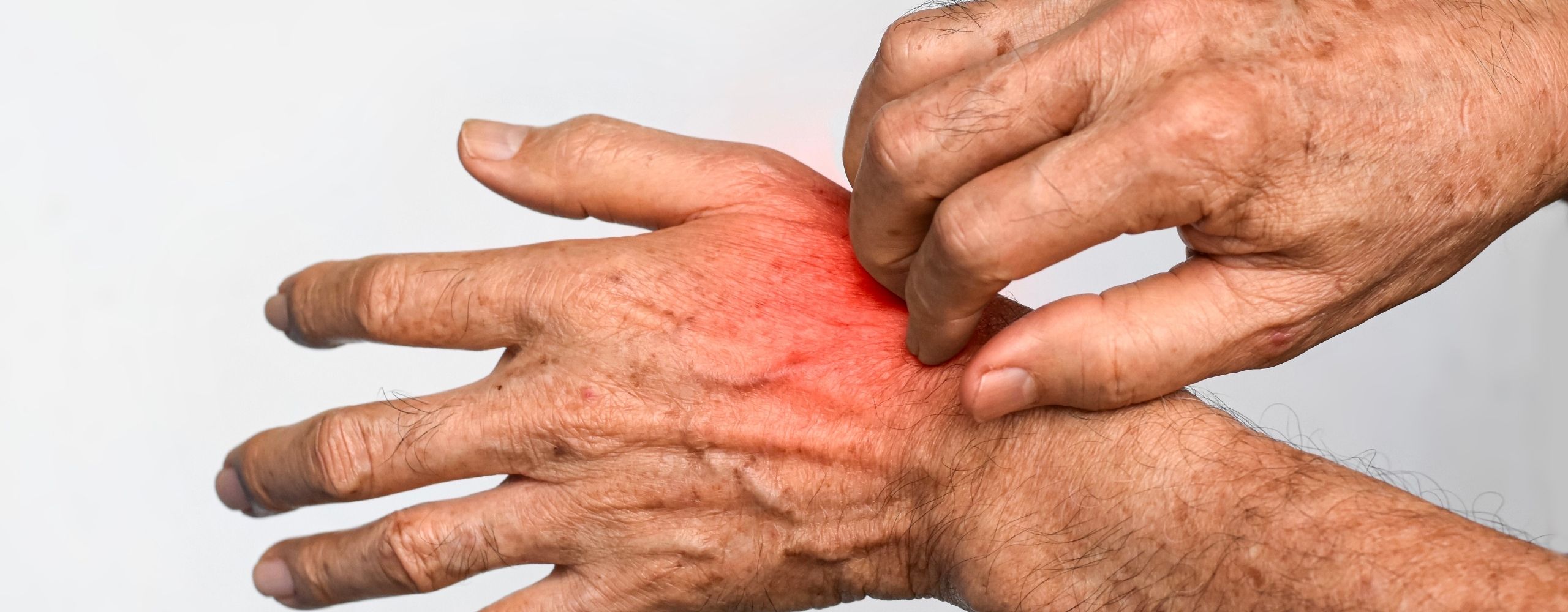
- Eczema and psoriasis are chronic, inflammatory skin conditions that affect quality of life. Globally, eczema affects up to 20% of children and around 10% of adults, while psoriasis affects nearly 2–3% of the world’s population. They are non-contagious, recurrent, and influenced by immunity, metabolism, stress, and lifestyle factors.
- According to Ayurveda, these conditions are classified under Kuṣṭha, where skin symptoms reflect internal imbalance. Management focuses on root-cause correction, detoxification, and long-term balance rather than temporary symptom suppression.
- Eczema (Vicharchika) : Eczema presents with itching, redness, dryness, oozing, or scaling of the skin. In Ayurveda, it resembles Vicharchika, caused by Pitta and Kapha Dosha imbalance, along with disturbance of Rakta (blood) and Twak (skin). Poor digestion, incompatible foods, and stress are key contributing factors.
- Psoriasis (Kiṭibha / Eka / Sidhma Kuṣṭha) Psoriasis is characterised by thick, dry, scaly plaques with redness and itching. Ayurveda relates it to Kiṭibha, Eka, or Sidhma Kuṣṭha, involving Vata and Kapha imbalance, deep-seated Rakta Dhatu vitiation, toxin accumulation (Ama), and impaired immunity.
Recommended Therapies:
Shodhana (Detoxification)
Vamana, Virechana, Basti, and Raktamokshana are advised based on Dosha involvement and disease severity.
Shamana (Internal Medicines)
Herbal formulations to purify blood, reduce inflammation, and support immunity.
External Therapies
Shashtika Shali Lepanam, Takra Dhara, medicated oils, and therapeutic bathing procedures.
Lepam (Herbal Paste Application)
Shashtika Shali Lepanam, Takra Dhara, medicated oils, and therapeutic bathing procedures.
Stress Management
Yoga, pranayama, and meditation to reduce flare-ups.
- Helps in clearing the skin, reducing itching, and purifying the blood.
Suggested Approach :
- Treatment is individualised based on Prakriti and disease stage, with emphasis on digestive correction (Agni Deepana) and prevention of recurrence. Periodic detoxification may be required under medical supervision.
- Note: All therapies are individualized and administered only after proper clinical evaluation by qualified Ayurvedic physicians.
FAQ's :
What are eczema and psoriasis?
Eczema and psoriasis are chronic, inflammatory skin conditions that significantly affect quality of life. They are non-contagious, often recurrent, and influenced by immunity, metabolism, stress, and lifestyle factors. Ayurveda classifies these conditions under Kuṣṭha, focusing on internal imbalance rather than only external skin symptoms.
How does Ayurveda understand eczema?
Eczema is comparable to Vicharchika in Ayurveda. It is caused by aggravation of Pitta and Kapha Dosha, along with vitiation of Rakta (blood) and Twak (skin). Improper diet, incompatible food combinations, stress, and weak digestion (Mandagni) are key contributing factors.
How does Ayurveda explain psoriasis?
Psoriasis closely resembles Kiṭibha, Eka, or Sidhma Kuṣṭha in Ayurveda. It involves predominant Vata and Kapha imbalance, deep-seated Rakta Dhatu vitiation, toxin accumulation (Ama), and impaired immunity. These internal factors contribute to chronic inflammation and recurrent flare-ups.
How common are eczema and psoriasis globally?
Eczema affects approximately 10–20% of children and 2–5% of adults worldwide, with rising incidence linked to lifestyle and environmental factors. Psoriasis affects about 2–3% of the global population, most commonly appearing between 20–50 years of age.
Can eczema and psoriasis be cured permanently with Ayurveda?
Ayurveda aims for long-term remission by correcting internal imbalances and preventing recurrence. While chronic cases may require sustained care, significant symptom control and reduction in flare-ups are achievable with consistent treatment and lifestyle adherence.
What is the Ayurvedic treatment approach for eczema and psoriasis?
Ayurvedic management focuses on root-cause correction, detoxification, and long-term balance. Treatment may include Shodhana (detoxification therapies), Shamana (internal medications), external therapies, and stress management, planned according to the individual’s constitution and disease stage.
Is Panchakarma required for all eczema and psoriasis patients?
No. Panchakarma therapies are advised based on disease severity, chronicity, and patient suitability. Not all individuals require detoxification therapies.
How long does Ayurvedic treatment take to show results?
Initial improvement may be observed within a few weeks. However, stable and long-lasting results require consistent treatment and adherence to dietary and lifestyle recommendations.
Are Ayurvedic medicines safe for long-term use in skin disorders?
When prescribed by qualified Ayurvedic physicians, treatments are designed for long-term balance and are generally safe. Self-medication is not recommended.
Can Ayurvedic treatment be combined with modern dermatological care?
Yes. An integrative approach, combining Ayurveda with modern dermatological care when required, often provides better symptom control and improves overall quality of life.
What diet and lifestyle are recommended in Ayurveda for eczema and psoriasis?
Ayurveda recommends light, freshly cooked meals, bitter vegetables, adequate hydration, regular sleep, and stress-reducing routines. Spicy, fried, fermented, and processed foods, excess sugar, alcohol, smoking, and irregular eating habits are advised to be avoided.
Spinal Disorders
- Spinal disorders affect the cervical, thoracic, or lumbar spine and are a leading cause of chronic pain and disability worldwide. Around 60–80% of people experience back pain at some point in their lifetime, making spinal conditions one of the most common causes of work-related disability and reduced quality of life.
- According to Ayurveda, spinal disorders primarily arise due to Vata Dosha imbalance, with involvement of Asthi and Majja Dhatu (bones and nerves). Factors such as poor digestion (Agnimandya), tissue degeneration (Dhatu Kshaya), toxin accumulation (Ama), improper posture, overexertion, and stress aggravate Vata, leading to pain, stiffness, and restricted movement.
Recommended Therapies:
Abhyanga (Medicated Oil Massage)
Used to pacify aggravated Vata and support muscle and joint health.
Swedana (Sudation Therapy)
Advised to relieve stiffness and improve mobility.
Kati Basti / Greeva Basti / Prishta Basti
Retention of medicated oils over affected spinal regions to support pain management and tissue nourishment.
Kaya Seka (Pizhichil)
A therapy involving pouring of medicated oil from a specific height over the affected area.
Basti Karma
Considered the prime treatment for Vata disorders affecting the spine.
- Helps in renewing energy, promoting mental peace, improving circulation, and restoring emotional balance.
Suggested Package:
- Treatment is planned based on the severity and chronicity of the condition, with emphasis on long-term Vata balancing, tissue nourishment, posture correction, and prevention of recurrence. Supportive care may include internal medicines, physiotherapy, yoga, and lifestyle modification under medical supervision.
- Note: All therapies are individualized and administered only after proper clinical evaluation by qualified Ayurvedic physicians.
FAQ's :
Can Ayurveda help chronic spinal disorders?
Yes. Ayurveda addresses the root cause, helps reduce pain, slows degenerative changes, and improves mobility.
Is surgery always necessary for spinal disorders?
No. Many spinal conditions can be effectively managed conservatively with Ayurvedic and integrative care.
How long does treatment take for spinal disorders?
Treatment duration depends on severity and chronicity. Long-standing conditions require sustained management.
Are Panchakarma therapies safe for spinal disorders?
Yes. When performed by trained physicians after proper assessment, Panchakarma therapies are considered safe.
Is Ayurveda suitable for elderly patients with spinal problems?
Yes. Ayurveda is especially beneficial for age-related degenerative spinal disorders.
IBS (Irritable Bowel Syndrome) & GERD

- Irritable Bowel Syndrome (IBS) and Gastro-Esophageal Reflux Disease (GERD) are chronic digestive disorders that significantly affect quality of life due to persistent symptoms, dietary intolerance, and stress association. These conditions are among the most common lifestyle-related digestive health problems today.
- According to Ayurveda, IBS closely correlates with Grahani Roga, arising from impairment of Agni (digestive fire) and vitiation of Vata Dosha, often associated with Pitta or Kapha. GERD can be correlated with Amlapitta, especially Urdhvaga Amlapitta, caused by aggravated Pitta Dosha, faulty digestion, and improper lifestyle. Ayurvedic management focuses on correcting digestion, balancing Doshas, regulating diet and lifestyle, and restoring digestive harmony.
Recommended Therapies:
Nidana Parivarjana
Avoidance of causative factors such as irregular food habits, incompatible foods, stress, and disturbed sleep.
Agni Deepana & Pachana
Therapies aimed at improving digestive fire, reducing toxin accumulation (Ama), and normalising bowel function.
Dosha-Specific Management
Tailored measures based on Vata-, Pitta-, or Kapha-dominant presentations in IBS and Pitta-dominant features in GERD.
Panchakarma Therapy (As Indicated)
For IBS: Niruha and Anuvasana Basti for Vata regulation.
For GERD: Virechana Karma for elimination of aggravated Pitta.
Rasayana & Gut Rejuvenation
Measures to strengthen intestinal health, improve digestion, and prevent recurrence.
- These therapies aim to restore digestive balance, relieve chronic symptoms, and support long-term gut health.
Suggested Approach :
- Long-term, personalised, and integrative management focusing on correction of digestion (Agni), Dosha balance, dietary discipline, lifestyle regulation, stress management, and mental well-being. Treatment is planned based on individual constitution, symptom pattern, and disease chronicity.
- Note: All therapies are individualized and administered only after proper clinical evaluation by qualified Ayurvedic physicians.
FAQ's :
Can Ayurveda cure IBS and GERD?
Ayurveda focuses on correcting digestion and lifestyle factors, offering long-term relief and prevention of recurrence rather than temporary symptom suppression.
How long does treatment take for IBS and GERD?
Acute cases may improve within weeks, while chronic conditions may require phased treatment over several months.
Is Panchakarma necessary for all patients with IBS and GERD?
No. Panchakarma is advised only when indicated, based on Dosha involvement and disease severity.
Are Ayurvedic medicines safe for long-term use?
Yes. When prescribed by qualified Ayurvedic physicians and taken according to classical guidelines, medicines are considered safe for long-term use.
Insomnia & Migraine

- Insomnia and migraine are common, stress-related neurological disorders that significantly affect quality of life. Around 10–30% of adults experience chronic insomnia, while migraine affects nearly 15% of the global population, most commonly among individuals aged 20–50 years. These conditions are closely associated with stress, lifestyle factors, and disturbed mind–body balance.
- According to Ayurveda, insomnia is known as Anidra or Nidranasha, caused mainly by aggravation of Vata (excess mental activity and anxiety), Pitta (stress, heat, irritability), and disturbance of Manovaha Srotas (mental channels). Migraine closely resembles Ardhavabhedaka, arising due to Vata–Pitta imbalance, impaired digestion (Agnimandya), toxin accumulation (Ama), mental stress, and sensory overuse. Ayurvedic management focuses on calming the mind, correcting Dosha imbalance, strengthening digestion, and preventing recurrence.
Recommended Therapies:
Shirodhara / Shirovasti
Therapies advised for calming the nervous system and supporting mental balance.
Abhyanga
Therapeutic oil massage used to pacify Vata and promote relaxation.
Nasya
Nasal medication recommended for balancing the nervous system.
Detoxification Therapies (As Indicated)
Virechana (purgation) advised particularly when Pitta involvement is predominant in migraine.
Shamana Aushadhi (Internal Medications)
Herbal formulations prescribed to calm the mind, support the nervous system, and address headache triggers.
- These therapies aim to restore mind–body balance, reduce symptom frequency, and improve overall quality of life.
Suggested Package:
- Long-term, personalised, and integrative management focusing on establishing a regular sleep–wake cycle, stress management through yoga and mindfulness, strengthening digestion and metabolism, identifying and avoiding individual migraine triggers, and adopting preventive therapies rather than episodic symptom control.
- Note: All therapies are individualized and administered only after proper clinical evaluation by qualified Ayurvedic physicians.
FAQ's :
Can Ayurveda permanently cure insomnia and migraine?
Ayurveda aims for long-term relief by addressing root causes and restoring balance. Many individuals experience sustained improvement with regular treatment and lifestyle modification.
Are Ayurvedic treatments safe for long-term use?
Yes. When prescribed by qualified Ayurvedic physicians, therapies and medicines are considered safe and suitable for long-term management.
Can Ayurvedic treatment be taken along with modern medicine?
Yes. Integrated care is possible. Ayurvedic therapies may help reduce dependency on painkillers and sleeping pills gradually under medical guidance.
How long does it take to see results with Ayurvedic treatment?
Acute relief may be observed within weeks, while chronic conditions may require sustained treatment over a longer period for lasting benefits.
Osteoarthritis (Sandhigata Vata)

- Osteoarthritis is a chronic degenerative joint disease marked by gradual cartilage wear, joint pain, stiffness, and reduced mobility. According to World Health Organization estimates, over 500 million people worldwide are affected by osteoarthritis, making it one of the leading causes of chronic pain, disability, and reduced quality of life. It commonly affects the knees, hips, spine, and hands.
- According to Ayurveda, osteoarthritis closely correlates with Sandhigata Vata, a condition caused by aggravation of Vata Dosha lodging in the joints (Sandhi). Aggravated Vata leads to dryness, degeneration, pain, stiffness, cracking sounds, and difficulty in joint movement. Factors such as natural increase of Vata in old age, tissue depletion (Dhatu Kshaya), weak digestion (Mandagni), excessive exertion, and Vata-aggravating diet contribute to disease progression. Ayurvedic management focuses on pacifying Vata, nourishing joint tissues, improving lubrication, and restoring mobility.
Recommended Therapies:
Snehana (Oil Application)
Application of medicated oils to nourish joints and reduce dryness and stiffness.
Swedana (Sudation Therapy)
Therapies used to relieve stiffness and improve joint flexibility.
Janu Basti / Kati Basti / Greeva Basti
Localized oil retention therapies advised based on the joint involved.
Abhyanga
Medicated oil massage to support circulation, muscle strength, and joint function.
Basti Chikitsa
Considered the cornerstone Panchakarma therapy for Vata-related joint disorders.
- These therapies aim to reduce pain, slow degeneration, improve mobility, and support long-term joint health.
Suggested Approach :
- Long-term, personalized, and integrative management based on joint involvement, age, strength of the patient, and degree of Vata aggravation. The approach focuses on sustained Vata balancing, tissue nourishment, posture correction, dietary regulation, supportive physiotherapy and yoga, and prevention of complications rather than only pain suppression.
- Note: All therapies are individualized and administered only after proper clinical evaluation by qualified Ayurvedic physicians.
FAQ's :
What is Sandhigata Vata?
Sandhigata Vata is an Ayurvedic condition in which aggravated Vata affects the joints, causing pain, stiffness, degeneration, and restricted movement, comparable to osteoarthritis.
Is Ayurvedic treatment effective for osteoarthritis?
Yes. Ayurveda offers long-term management by slowing disease progression, improving mobility, and enhancing quality of life.
Which Panchakarma therapy is best for osteoarthritis?
Basti therapy is considered the most effective Panchakarma treatment for Vata-related joint disorders.
Can Ayurveda and modern medicine be combined for osteoarthritis?
Yes. An integrative approach combining Ayurveda with modern diagnostics and supportive therapies provides better outcomes when supervised by qualified professionals.
Is osteoarthritis reversible?
Rheumatoid Arthritis (RA)
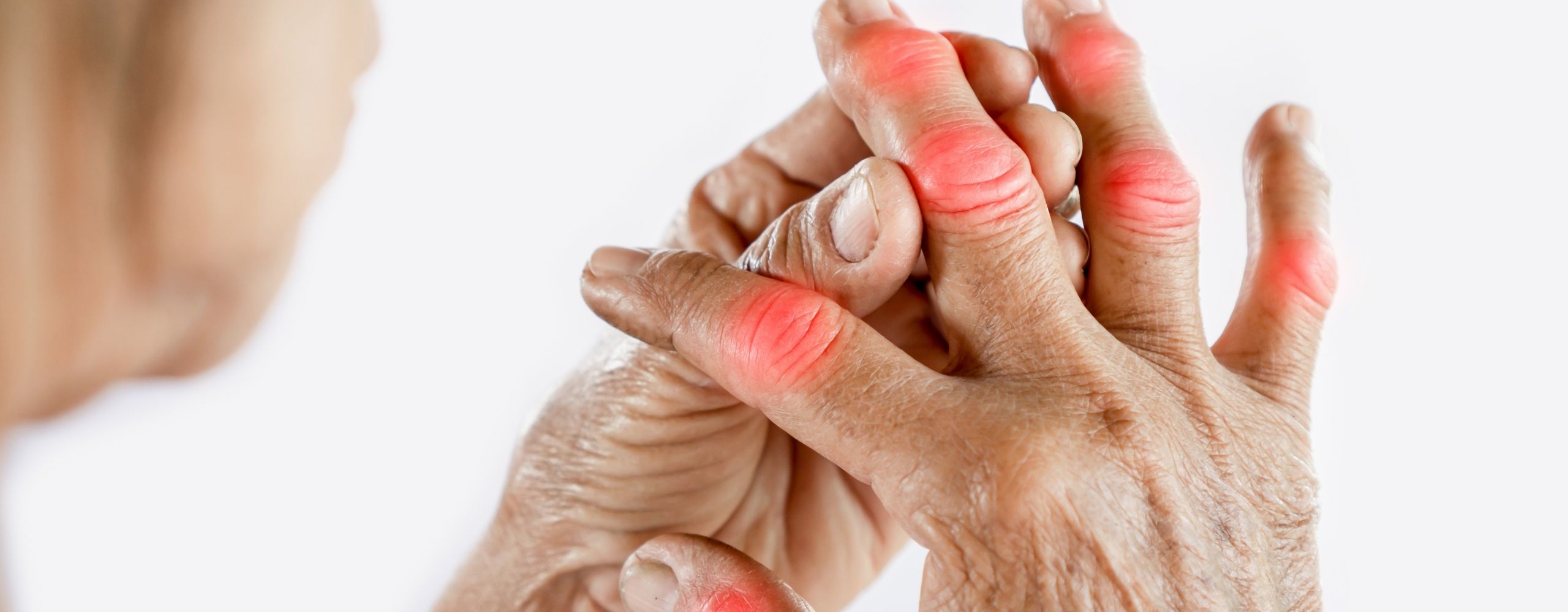
- Rheumatoid arthritis (RA) is a chronic autoimmune inflammatory disorder that primarily affects the joints, leading to pain, swelling, stiffness, and gradual joint destruction. It commonly involves the small joints of the hands and feet and is usually symmetrical, with prolonged morning stiffness being a hallmark feature. Rheumatoid arthritis affects approximately 0.5–1% of the global population, with women being affected more frequently than men.
- According to Ayurveda, rheumatoid arthritis closely correlates with Āmavāta / Vatasonitha, a condition caused by impaired digestive fire (Mandāgni), formation and accumulation of Āma (toxic metabolites), aggravation of Vāta Doṣa, and obstruction of body channels (Srotorodha). These factors lead to joint pain (Śūla), swelling (Śotha), stiffness (Stabdhata), heaviness, and systemic fatigue. Ayurvedic management focuses on correcting digestion, eliminating Āma, balancing Vāta, and preventing progressive joint damage.
Recommended Therapies:
Āma-Pācana & Dīpana Therapies
Measures aimed at improving digestion and reducing toxic metabolite accumulation in early stages.
Abhyanga
Medicated oil massage used to reduce stiffness, improve circulation, and pacify aggravated Vāta.
Swedana (Svedana)
Herbal fomentation therapies advised to relieve joint stiffness and pain.
Virechana (Therapeutic Purgation)
Selective detoxification therapy advised to eliminate aggravated Doṣas, especially in Āma-dominant stages.
Basti (Medicated Enema)
Considered the most effective Panchakarma therapy for Vāta disorders, especially in chronic and deforming RA.
Shamana Aushadhi & Rasāyana Therapy
Internal medicines prescribed to control inflammation, support immunity, improve metabolism, and nourish tissues.
- These therapies aim to relieve pain, improve function, slow disease progression, and enhance quality of life.
Suggested Approach :
- Long-term, individualized, and stage-wise management based on Prakṛti, disease chronicity, and severity. The approach focuses on strengthening digestive fire (Agni), preventing Āma formation, periodic detoxification, joint protection, functional independence, and relapse prevention. Integrative care with physiotherapy, assistive measures, and modern diagnostics may be included when required.
- Note: All therapies are individualized and administered only after proper clinical evaluation by qualified Ayurvedic physicians.
FAQ's :
Is early rheumatoid arthritis reversible with Ayurveda?
Early rheumatoid arthritis responds well to Ayurvedic management when treated promptly with appropriate diet, medicines, and lifestyle correction.
What is seronegative rheumatoid arthritis and how does Ayurveda help?
Seronegative RA presents with clinical symptoms despite negative blood markers. Ayurveda focuses on correcting metabolic imbalance and preventing disease progression.
Can Ayurveda help in deforming rheumatoid arthritis?
Yes. While deformities may not fully reverse, Ayurveda helps reduce pain, improve mobility, and slow further joint damage.
Is long-term treatment necessary for rheumatoid arthritis?
Yes. Rheumatoid arthritis is a chronic condition, and Ayurveda emphasizes long-term, stage-wise management rather than short-term symptom control.
Can Ayurvedic and modern treatments be taken together?
Yes. An integrated approach under proper medical supervision is considered safe and effective.